
The Complete Guide to Installing Rapid and Destination EV Charging Hubs in the UK
Discover how to install rapid and destination EV charging hubs in the UK. Funding, site selection, costs & ROI explained in this 2025 expert guide.
_ZjM56t.webp?dpl=dpl_9UnYMs7GAEnn3gCXG2t9Ge2gyuLH)
Introduction - The EV Charging Gap in the UK
At Connekt EV Charging, we see the UK EV infrastructure gap every day. Electric vehicle adoption is accelerating - but charging infrastructure isn’t keeping pace.
In fact, our own research shows there are over 68,000 potential destination charging sites across the UK, yet fewer than 1% currently have chargers installed. Even more striking, 79% of these sites are in rural areas, where EV drivers often travel longer distances and are more likely to need a charge.
This guide is designed to walk you through everything you need to know about installing rapid charging hubs and destination charging points - from understanding the business case, to securing funding, to managing installation from start to finish. We’ll also share real-world case studies of how we’ve helped sites across the UK future-proof their operations and attract EV drivers.
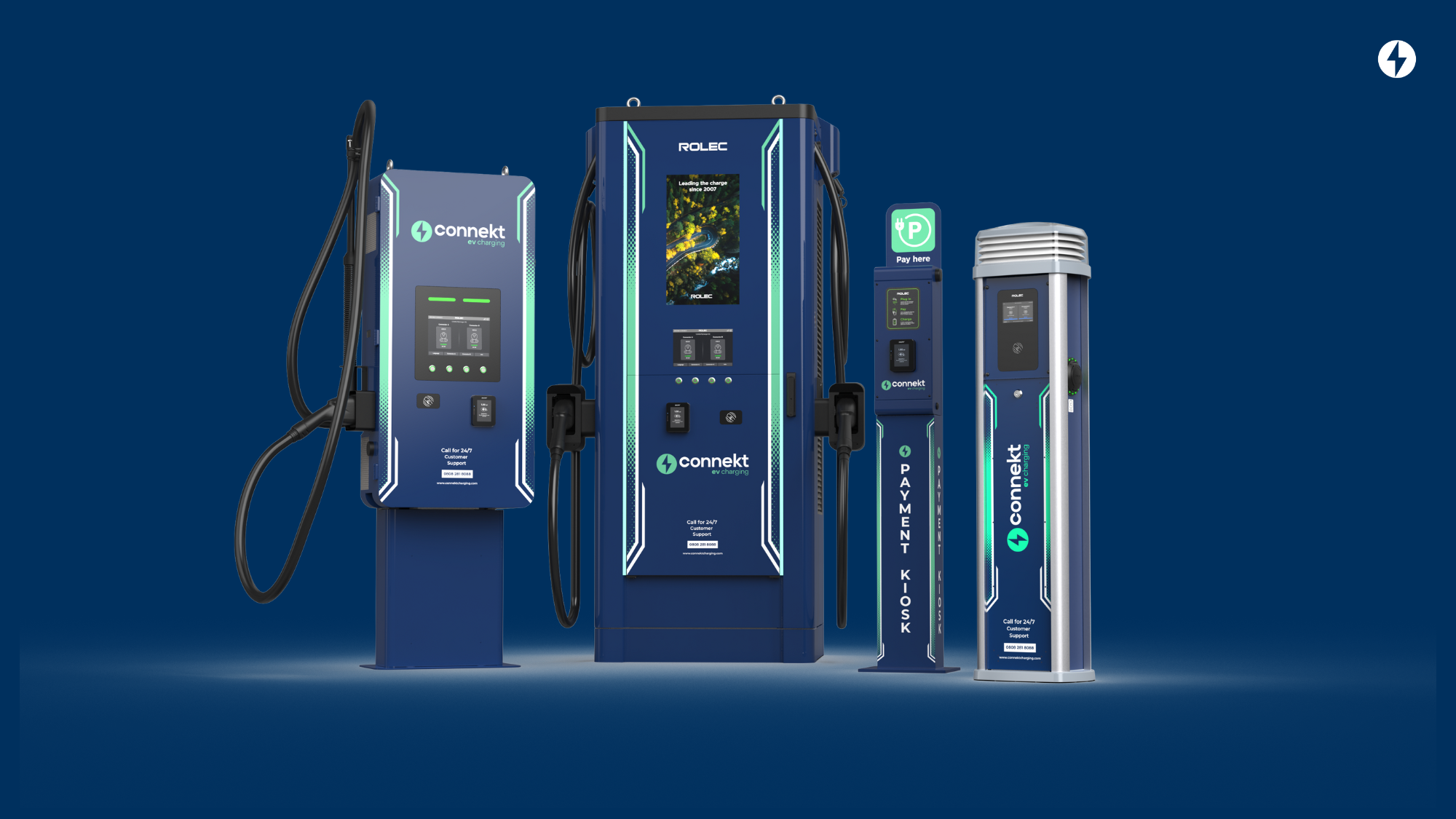
What is an EV Charging Hub?
Rapid Charging Hubs
A rapid charging hub is a location equipped with high-power chargers (typically 50kW to 350kW DC) that can deliver a significant range boost in minutes rather than hours.
They’re ideal for:
High-traffic roadside locations
Strategic points on travel corridors
Sites wanting to attract passing trade from EV drivers
Charging time:
50kW: ~100 miles in 35 minutes
120kW: ~100 miles in 20-25 minutes
350kW+: ~100 miles in under 10 minutes
Destination Charging
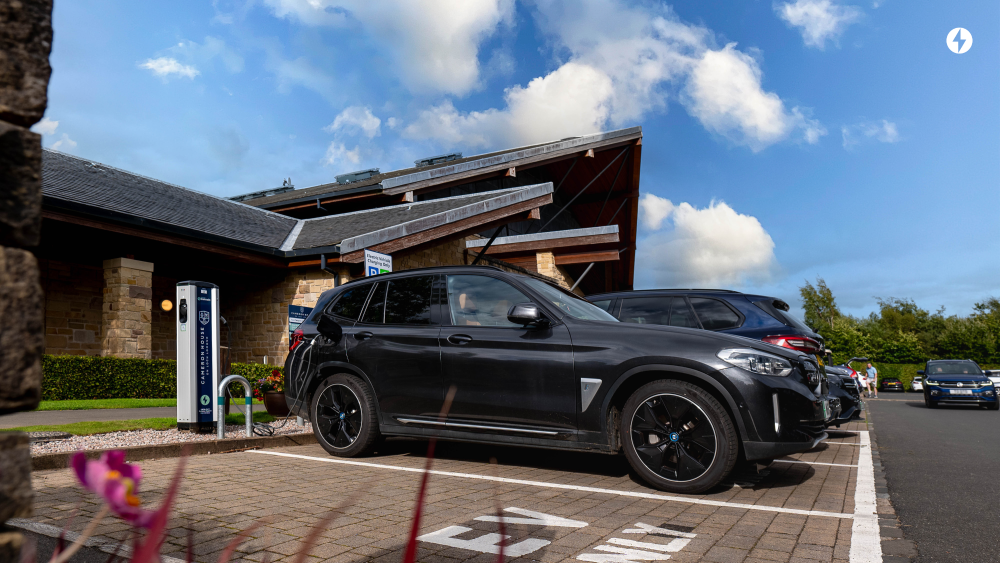
Destination charging is about providing EV charging at places people already plan to spend time - hotels, holiday parks, theme parks, leisure centres, golf courses, and more.
These chargers are typically 7kW to 22kW AC, and they:
Serve guests/customers during their visit
Increase dwell time (and secondary spend)
Build brand loyalty with EV-driving customers
For rural sites, destination charging can be even more valuable - our research shows rural EV drivers log higher mileage, making charging facilities a deciding factor in where they choose to stay.

Why Install Rapid or Destination EV Charging?
The EV Market is Growing - Fast
By 2050, public EV charging demand is expected to exceed 30TWh annually, up from just 7.3TWh installed capacity todayConnekt_MarketReview_Pr…. This means we’re heading towards a 22.7TWh deficit if new infrastructure isn’t installed - and businesses that act now can capture a huge share of that demand.
Customer Attraction & Retention
An EV driver’s choice of where to stop, stay, or spend money is often dictated by charging availability. By offering rapid or destination charging:
You attract new customers
You keep them on site longer
You position your brand as forward-thinking and sustainable
Revenue Opportunities
With the right setup, EV chargers can:
Generate direct revenue from charging fees
Increase customer spend during dwell time
Strengthen partnerships with fleets or tour operators
Planning Your EV Charging Hub Installation
1. Site Selection Criteria
We look at:
Traffic Flow: Are there enough passing vehicles to justify investment?
Dwell Time: Will customers stay long enough to make use of the chargers?
Power Availability: Can we secure an efficient grid connection?
2. Rural vs Urban Considerations
Urban areas may offer higher volumes, but rural areas often have less competition and higher charging utilisation rates.
3. Future-Proofing
We design for today’s needs and tomorrow’s - including space for future 350kW+ chargers, battery storage, and even hydrogen refuelling where viable.
Understanding the Grid Connection Process
A key part of any EV charging installation is working with your local DNO (Distribution Network Operator).
Grid constraints can affect:
Connection cost
Lead time
Charger type feasibility
We engage with DNOs at the earliest stage to:
Identify available capacity
Secure optimal connection points
Avoid costly delays
Choosing the Right Charger Technology
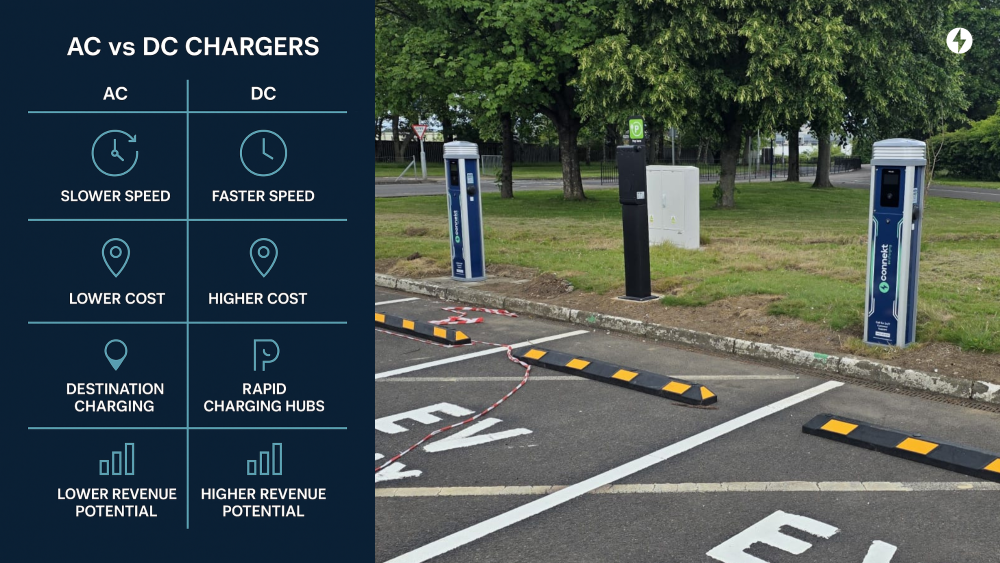
AC Destination Chargers (7-22kW)
Best for overnight stays or long visits
Lower installation cost
Ideal for hotels, leisure venues, tourist attractions
DC Rapid Chargers (50-350kW)
Short stay / high turnover locations
Higher revenue potential
More complex grid requirements
For a closer look at hardware, cable types and typical costs, read our guide to commercial EV chargers for business sites.
Funding & Grants Available in 2025
National Schemes
LEVI Fund (England) - Supports local authorities & CPOs for on-street and public charging projects
Workplace Charging Scheme - Up to £350 per socket for businesses
EVIF (Scotland) - Targeting destination and on-street charging in commercially unviable areas
ULEV TF (Wales) - Destination and hub charging support
Rural & Tourism-Specific Funds
Rural and Islands Fund - Capital funding for rural destination and rapid charging
At Connekt, we help site owners unlock these grants - often reducing your upfront investment to zero.
Our Installation Process - Step by Step
Feasibility & Site Survey
Funding & Commercial Agreement
Design & Planning Approval
Grid Connection Application
Installation & Commissioning
Monitoring & Maintenance (99.13% uptime target)
Why Choose Connekt
We focus on:
Specialisation - Hotels, leisure, rural destination sites
Funding Access - Helping you secure grants and finance
Service Excellence - 99.13% network uptime
Future Alignment - We will grow with you
How to Get Started
Ready to explore EV charging for your site?
Book your free EV charging feasibility assessment today - we’ll handle the site analysis, funding applications, and installation from start to finish.
📞 0808 2818088 | Get Free Quote
FAQs
Q: How much does it cost to install an EV charging hub?
A: Costs vary by charger type and grid connection, but funding can cover up to 100% of installation in some cases.
Q: Do I need planning permission?
A: Often not for standard chargers, but hubs and larger installations may require approval.
Q: How long does installation take?
A: From site survey to go-live, most projects take 3-6 months depending on DNO timelines.
_WrWBx.webp?dpl=dpl_9UnYMs7GAEnn3gCXG2t9Ge2gyuLH)
_Z133ynG.webp?dpl=dpl_9UnYMs7GAEnn3gCXG2t9Ge2gyuLH)
_1lIAED.webp?dpl=dpl_9UnYMs7GAEnn3gCXG2t9Ge2gyuLH)