Commercial EV Charger Installation Cost: What UK Businesses Should Budget For
What a commercial EV charger installation costs in the UK, from hardware and groundworks to grid upgrades, software and support, plus the grants still open in 2026.
As more drivers make the switch to electric vehicles, the demand for EV charging infrastructure is surging. Whether you run a hotel, manage a retail park, or operate a commercial premises, installing EV chargers can bring in new visitors, keep them on site for longer and future-proof your business.
But what does it actually cost to install commercial EV chargers? The short answer is: it depends. The long answer? Let's break it down.
What does a commercial EV charger installation cost?
A commercial EV charger installation cost in the UK typically runs from a few thousand pounds per AC charger to tens of thousands of pounds per DC rapid charger, before any grid upgrade. The final figure depends on the charger type, groundworks, your site's power supply, payment and software, and whether grants or funding options reduce the upfront cost.
The ranges below are indicative. Every site is different, which is why a site survey comes before any firm price.
1. Hardware costs (choosing the right charger)
The cost of the physical charger can vary widely depending on the type:
Standard AC chargers (7kW-22kW): £1,000 - £3,000 per unit
Rapid DC chargers (50kW-100kW): £10,000 - £35,000 per unit
Ultra-rapid DC chargers (100kW+): £35,000 - £80,000+ per unit
Higher-speed chargers cost more, but they also charge faster, which suits short-stay locations. For hotels and other overnight sites, AC chargers usually do the job at a fraction of the price. If you are still deciding on hardware, our guide to choosing commercial EV chargers compares the main options.
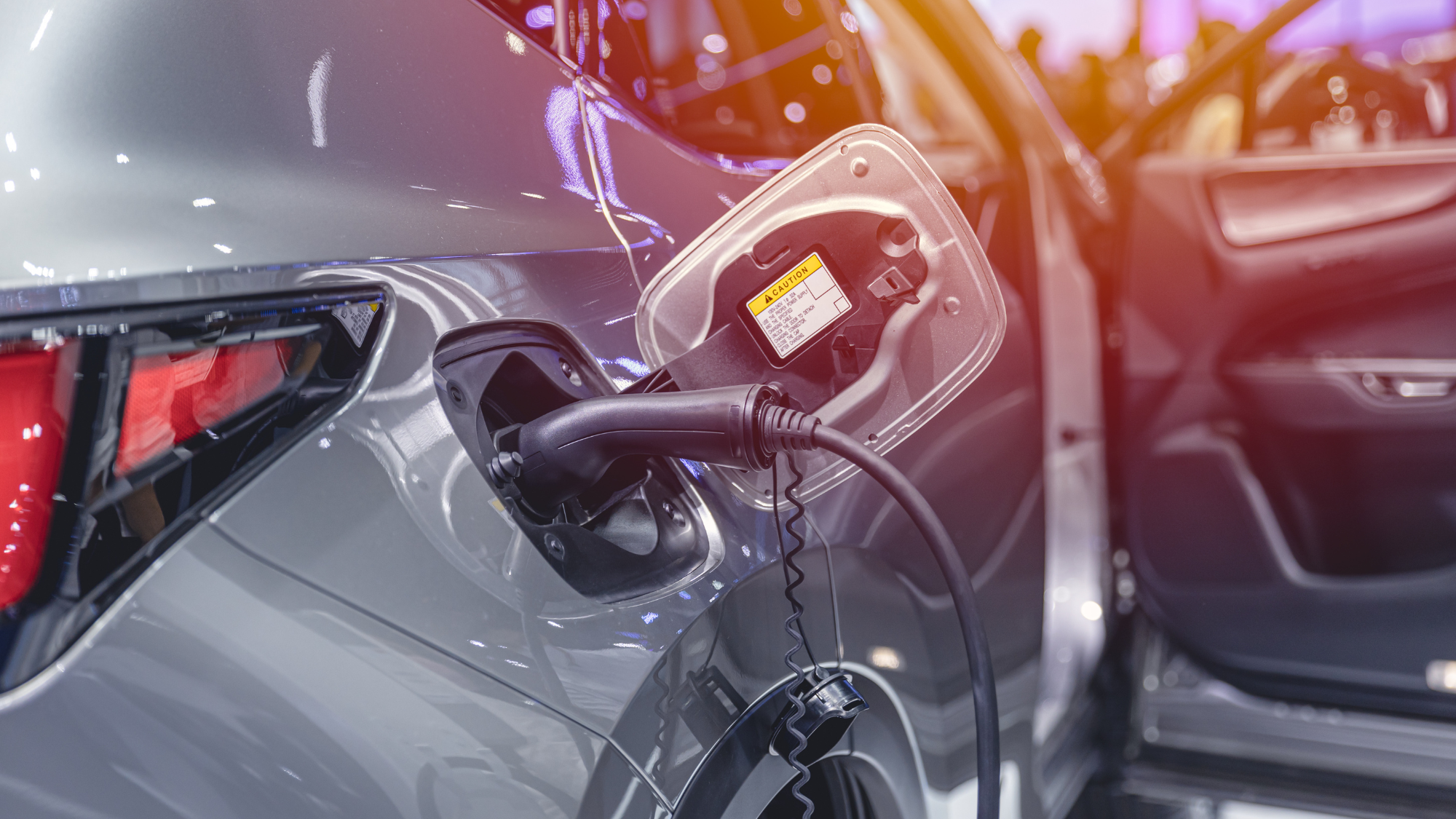
Choosing the right charger speed for your customers' dwell time is essential
2. Installation and civil works
Installation is often where the real variation happens. Depending on the site, you may need:
Trenching and groundwork to lay cables
Upgrades to electrical infrastructure
New distribution boards or substations
Traffic management (for on-street or car park installations)
Installation costs typically range from £2,000 to £25,000+ depending on the complexity.
A site with an existing power supply and accessible cabling routes will be far cheaper than a remote site needing major civil works.
3. Power supply and DNO upgrades
Before any charger goes live, your local Distribution Network Operator (DNO) needs to assess the site's power capacity. In Scotland that is SP Energy Networks in the central belt and south, or SSEN in the north. If additional supply is required, you might face:
Connection fees
Reinforcement works
Long lead times
DNO costs can range from a few hundred pounds to £50,000+, particularly if you're planning rapid or multiple chargers.
Our tip: work with an installer who handles the DNO application process for you (that's us). It can be a minefield.
4. Back office, software and management costs
Commercial EV chargers are rarely plug and play. Most use a management platform for:
Payment processing
Usage data
Bay booking
Charger uptime monitoring
Customer support tools
These platforms usually charge a monthly fee per charger, often between £10 and £50 a month, depending on features. At Connekt, our chargers run on Connekt Cloud, our own charger management software, and drivers can use the Get Connekted app. You can see what it does on our EV charging software page.
You may also need a payment terminal (contactless card reader), which adds roughly £1,000 per unit. Under the Public Charge Point Regulations 2023, new public charge points of 8kW and above installed after 24 November 2024, and all public charge points of 50kW and above, must offer contactless payment. The government guidance allows that per charge point or per charging site where there is more than one, so a multi-charger site does not always need a reader on every unit.
5. Ongoing maintenance
Like any infrastructure, EV chargers need to be kept in good working order. Maintenance may include:
Remote diagnostics
On-site repairs
Firmware updates
Replacing damaged cables or connectors
Some installers offer maintenance contracts for peace of mind, typically priced at £200-£500 per unit. Ask what is included and how quickly faults are fixed. Connekt's network runs at 99.13% uptime, and up to 96.5% of faults are fixed remotely, without waiting for an engineer. Our article on why uptime matters more than charger count explains why that matters as much as the purchase price.
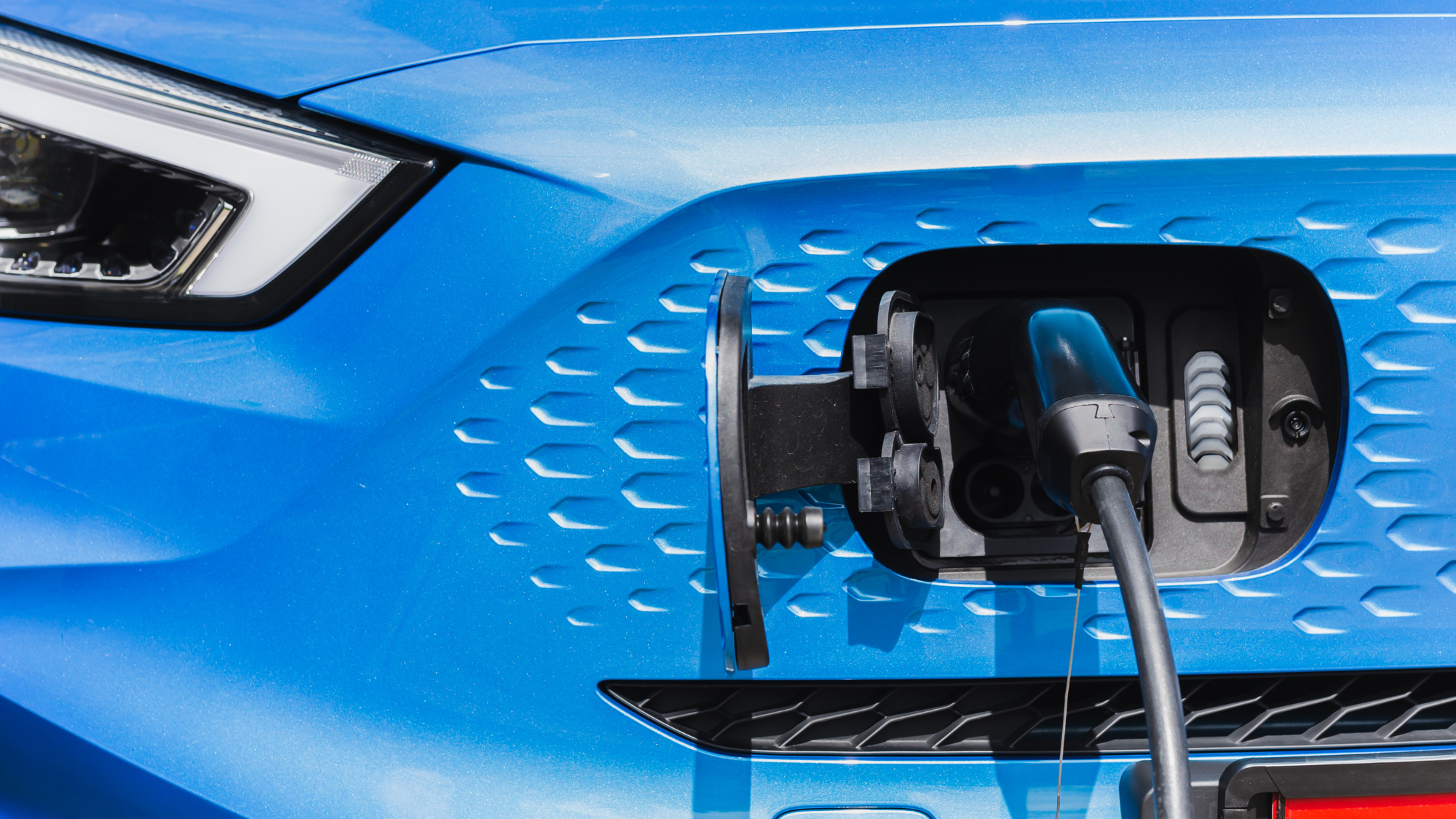
Would you like a tethered charger (one that comes with a cable)? Or do you expect your customers to always have their own cable?
6. Funding options
You don't necessarily need to pay everything upfront. Funding options vary from site to site and change over time, and some can mean no upfront cost.
At Connekt we help you model the financials and find the right option for your site. The quickest way to see what fits is a free quote and funding options call.
7. Grants and incentives
The main government grant still open to businesses is the Workplace Charging Scheme (WCS). It covers up to 75% of the cost of buying and installing chargepoints (including VAT), capped at £500 per socket and 40 sockets across all your sites, for installations completed from 1 April 2026. It is open to businesses, charities, public sector organisations and small accommodation businesses, applies in Scotland as well as the rest of the UK, and runs for a final year until 31 March 2027 (GOV.UK Find a grant).
The older staff and fleets grant (previously up to £15,000 per installation) closed to applications on 31 March 2026 (GOV.UK). Some local councils also offer support. We can help with the paperwork: see our Workplace Charging Scheme application page.
8. The hidden costs of doing nothing
While upfront costs are important, it's worth considering the long-term benefits:
Attract EV-driving customers
Increase dwell time and spend
Boost sustainability credentials
Earn from paid public charging
Stay ahead of rising EV ownership and regulation
Delaying installation could mean losing out on guests and visitors who plan their trips around charging, and paying more later as demand spikes.
Frequently asked questions
What is the average commercial EV charger installation cost in the UK?
There is no true average, because groundworks and grid capacity vary so much from site to site. As an indication, an AC charger for a hotel or workplace usually costs a few thousand pounds installed, while a DC rapid charger runs well into five figures before any grid upgrade. A site survey is the only way to get a firm price.
Are there grants for commercial EV charger installation in 2026?
Yes. The Workplace Charging Scheme covers up to 75% of the cost, capped at £500 per socket and 40 sockets per applicant, for installations completed from 1 April 2026. It is open across England, Wales, Scotland and Northern Ireland until 31 March 2027, including for small accommodation businesses. Our grant application page explains how we help.
Do I need a payment terminal on every commercial charger?
Not always. The Public Charge Point Regulations 2023 require contactless payment on new public charge points of 8kW and above and on all public charge points of 50kW and above, but it can be provided per charging site where there is more than one charge point. Chargers kept for staff or private use are outside those rules.
Why do grid connection costs vary so much?
Grid costs depend on how much spare capacity your existing supply has and how far the network needs upgrading to give you more. A hotel adding a handful of 7kW chargers may need little or no work, while a rapid charging hub can need a new supply and a long wait for the DNO. Load management can often keep a project within the supply you already have.
Can a business install commercial EV chargers with no upfront cost?
Sometimes. Funding options vary from site to site and change over time, and some can mean no upfront cost. The right route depends on your site, how the chargers will be used and how much control you want over pricing and access. A short funding options call is the quickest way to find out what fits your site.
The bottom line
There's no flat rate for commercial EV charger installations. It all depends on your site, your goals and your power capacity, and the cheapest quote is rarely the cheapest over the life of the chargers once support and uptime are counted.
At Connekt, we handle commercial EV charging from feasibility and grid applications to installation and long-term support, for hotels, leisure venues and workplaces. Whatever your budget, we'll talk you through the funding options and help you find the smartest route forward. Book a call to get started.
This article is general information, not electrical, legal or financial advice. Grant eligibility, regulations and tariffs differ across the UK and change over time; check the current position with a qualified installer or the relevant body before acting.
Last verified: 26 October 2026.